
GLP-1 receptor agonists (GLP-1RAs) are transforming the management of type 2 diabetes and obesity with their ability to induce significant weight loss. As we explore their effects on body composition, particularly lean body mass (LBM), it’s crucial to understand the nuances of these therapies. Weight loss through GLP-1RAs often involves reductions in both fat mass and LBM, making it essential to examine how these changes impact muscle function and overall health.
Lean Body Mass Changes:
Studies reveal that weight loss from GLP-1RAs is accompanied by variable reductions in LBM, ranging from 15% to over 60% of total weight lost.
Factors influencing this variability include:
- Individual patient characteristics such as age, baseline muscle mass, and comorbid conditions.
- Differences in the specific GLP-1RAs used (e.g., semaglutide, liraglutide) and their dosage.
- Study methodologies, including how lean mass was measured.
Understanding Lean Body Mass:
- Lean mass encompasses skeletal muscle, organ tissue, bones, and body fluids.
- Reductions in lean mass during weight loss may not exclusively indicate muscle loss. For instance, changes in water retention or organ size can also affect LBM measurements.
Impact on Muscle Mass and Function:
- Muscle volume reductions observed with GLP-1RA therapies often align with expectations based on aging, weight loss, and improved insulin sensitivity.
- Improvements in muscle quality (e.g., reduced fat infiltration) may partially offset the risk of declining muscle strength and function.
- The relationship between lean mass loss and muscle function remains complex, necessitating further investigation.

High-Risk Groups for Muscle Loss:
- Older adults and individuals with existing sarcopenia or chronic conditions are at increased risk for adverse outcomes related to muscle loss.
- For such populations, GLP-1-based therapies might require careful consideration and possibly adjunct strategies to support muscle preservation.
Mitigation Strategies:
Combining GLP-1RA treatments with interventions to preserve or enhance muscle mass is a promising approach.
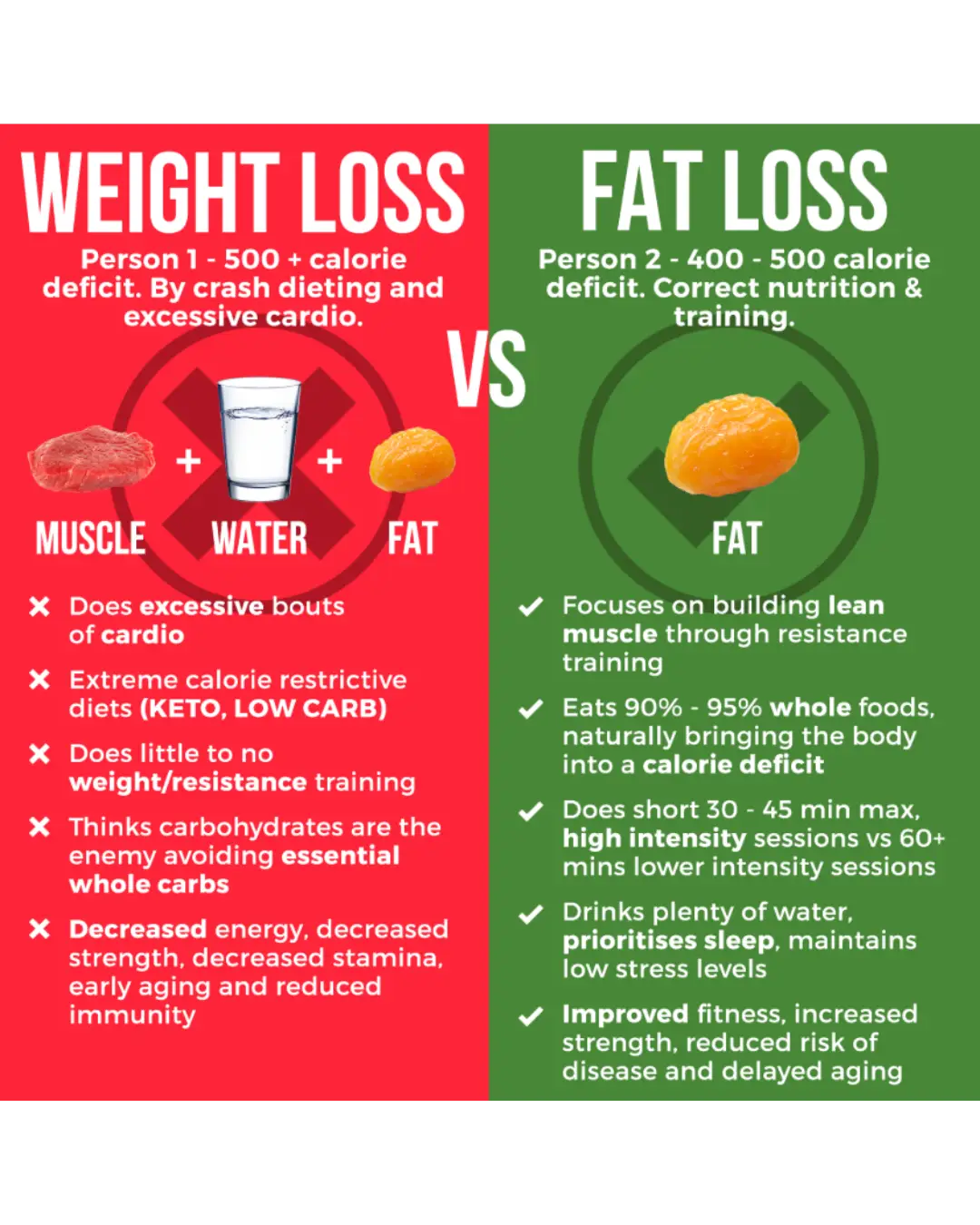
- Exercise: Resistance and aerobic training can help maintain muscle mass and improve strength during weight loss.
- Dietary Strategies: A high-protein diet has been suggested to mitigate muscle loss and support muscle repair and synthesis.
- Emerging therapies focusing on anabolic agents (e.g., myostatin inhibitors) might complement GLP-1 therapies in certain cases.
Clinical Implications
The findings underline the need for:
- A nuanced approach when prescribing GLP-1RAs, particularly for populations prone to muscle loss.
- Comprehensive patient monitoring that goes beyond measuring total weight loss to include muscle strength, mobility, and quality of life.
- Integration of lifestyle interventions, such as exercise and nutrition plans, to optimize outcomes and minimize risks associated with lean mass loss.
Future Directions
- Research must focus on more sophisticated assessments of lean body mass changes, distinguishing between muscle mass, water, and other components.
- Long-term studies are required to evaluate the sustainability of GLP-1RA-induced weight loss and its effects on physical function.
- Exploration of personalized treatment plans that consider individual risks for muscle loss and metabolic health.