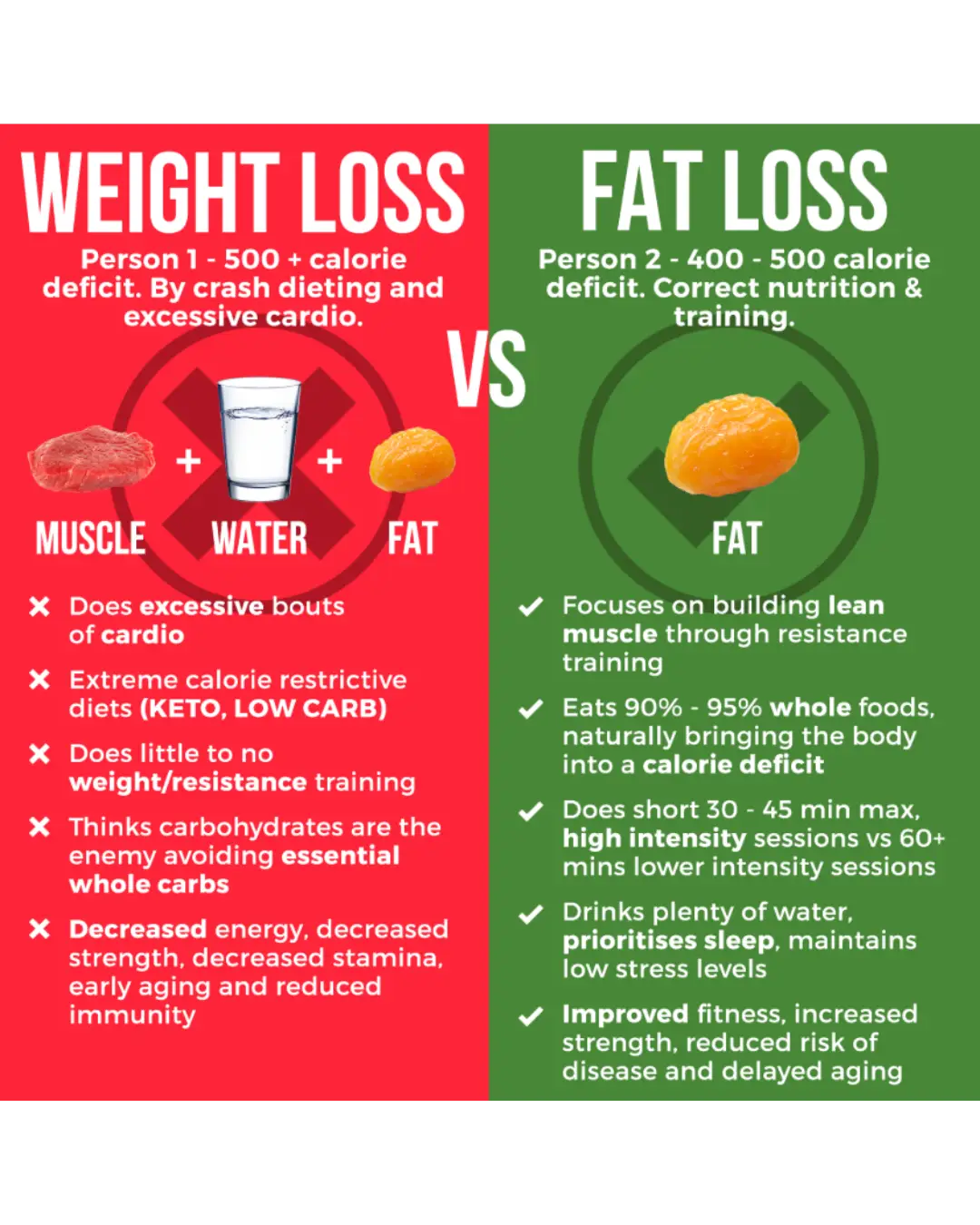

At Next Level Sports Nutrition, we understand that achieving weight loss isn’t always as straightforward as “calories in versus calories out.” While creating a caloric deficit is important, it’s far from the whole story. Factors like hormones, metabolism, gut health, and lifestyle play significant roles in how your body sheds (or retains) fat.
Our team of health and nutrition experts has compiled the latest scientific research to help you identify the roadblocks that may be hindering your progress. By addressing these common barriers and implementing science-backed strategies, you’ll be empowered to take control of your fitness journey and achieve sustainable results.
1. Your Gut Health Needs Attention
Your gut microbiome—the community of trillions of bacteria living in your digestive tract—plays a crucial role in your overall health, including weight management. Research shows that individuals with a diverse and balanced gut microbiome are more likely to maintain a healthy body weight. Imbalances in gut bacteria can contribute to inflammation, hinder nutrient absorption, and even influence hunger hormones like leptin and ghrelin.
What to Do:
Incorporate Prebiotics and Probiotics: Prebiotics (fiber that feeds beneficial gut bacteria) and probiotics (live beneficial bacteria) are essential for gut health. Load up on prebiotic-rich foods like bananas, asparagus, garlic, and oats, and include fermented foods like yogurt, kimchi, and kombucha.
Diversify Your Diet: Rotate your fruit and vegetable choices to expose your microbiome to a wide range of nutrients, enhancing its diversity.
2. Your Genetics May Be Influencing Your Results
While we can’t change our DNA, understanding the role genetics plays in weight can help set realistic expectations. Research suggests genetics account for up to 70% of an individual’s weight variability. Additionally, your body may have a “set-point range”—a weight your body naturally gravitates toward based on genetics and physiological mechanisms.
What to Do:
Adopt a Long-Term Approach: Focus on gradual, sustainable weight loss. Losing 1–2 pounds per week allows your body to adapt without triggering mechanisms that drive weight regain.
Prioritize Health Over Aesthetics: Shift your focus to building strength, improving endurance, and maintaining a healthy relationship with food. Work with a registered dietitian or weight management specialist to tailor a plan based on your unique genetic makeup.
3. Aging and Muscle Loss Are Slowing Your Metabolism
As we age, we naturally lose muscle mass—a phenomenon known as sarcopenia—which can slow metabolism. Muscle burns more calories at rest than fat, making it a key factor in weight management. For women, hormonal changes during menopause further accelerate this process, leading to increased fat storage and reduced caloric needs.
What to Do:
Incorporate Strength Training: Engage in resistance training 2–3 times per week to preserve and rebuild muscle. Exercises like squats, deadlifts, and resistance band workouts are particularly effective.
Optimize Protein Intake: Consume high-quality protein sources like lean meats, eggs, fish, and plant-based options to support muscle repair and growth. Aim for 1.2–2.0 grams of protein per kilogram of body weight daily, depending on your activity level.
4. Medications May Be Contributing
Certain medications, including antidepressants, beta-blockers, and corticosteroids, can cause weight gain by altering metabolism, increasing appetite, or promoting water retention. While these medications may be necessary, they can complicate weight loss efforts.
What to Do:
Consult with Your Healthcare Provider: Discuss any concerns with your doctor to determine if alternative medications or dosage adjustments are possible.
Monitor Your Nutrition: Work with a dietitian to fine-tune your macronutrient intake and mitigate any medication-related weight gain through targeted dietary strategies.

5. You’re Misjudging Your Portion Sizes
Portion distortion is a common issue in today’s food environment. Even “healthy” foods can derail progress if consumed in excess. Studies show that people consistently underestimate their caloric intake, often by significant margins.
What to Do:
Measure Your Portions: Use tools like food scales or measuring cups to ensure accuracy. Over time, you’ll develop a better sense of proper portion sizes.
Leverage Technology: Apps like MyFitnessPal or Cronometer allow you to track your food intake with precision, helping you stay on target.
6. You’re Eating Without Focus
Mindless eating—whether it’s snacking in front of the TV or grazing throughout the day—can lead to consuming far more calories than you realize. Research shows that distracted eating often results in overeating and a weaker connection to hunger and fullness cues.
What to Do:
Practice Mindful Eating: Sit down at a table, remove distractions, and focus on your meal. Chew slowly and savor each bite to improve digestion and satisfaction.
Prepare Your Own Meals: Cooking at home not only allows you to control ingredients but also helps you form a deeper connection with your food.
7. Skipping Meals Leads to Overeating
Skipping meals to “save” calories often backfires, leading to intense hunger and overeating later in the day. This cycle can also disrupt blood sugar levels, making it harder to control cravings.
What to Do:
Plan Balanced Meals: Aim to eat three balanced meals a day, with snacks as needed to prevent extreme hunger. Include a source of protein, healthy fat, and fiber at each meal for lasting satiety.
Don’t Demonize Treats: Allow yourself small indulgences within your calorie goals to prevent feelings of deprivation.
8. You’re Overestimating Your Calorie Burn
Exercise is essential for overall health and weight maintenance, but it’s not a free pass to eat anything you want. Many people overestimate how many calories they burn during workouts, leading to overeating.
What to Do:
Track Your Activity: Use fitness trackers or apps to get an accurate picture of your caloric burn.
Focus on Consistency: Exercise regularly to improve your metabolic health, energy levels, and mental well-being. Resistance training and high-intensity interval training (HIIT) are particularly effective for fat loss.
The Bottom Line
Weight loss is a multi-faceted journey that requires a personalized approach. By addressing these common barriers with cutting-edge strategies backed by science, you can create a plan that works for your unique body and lifestyle. At Next Level Sports Nutrition, we’re here to guide you with expert advice, premium products, and personalized support every step of the way.
For more tips on optimizing your health and performance, explore our blog or visit us in-store to speak with one of our certified experts. Together, we’ll help you reach the next level in your fitness journey.